
Chapter 1: Preparation
Understanding Pre-Labor
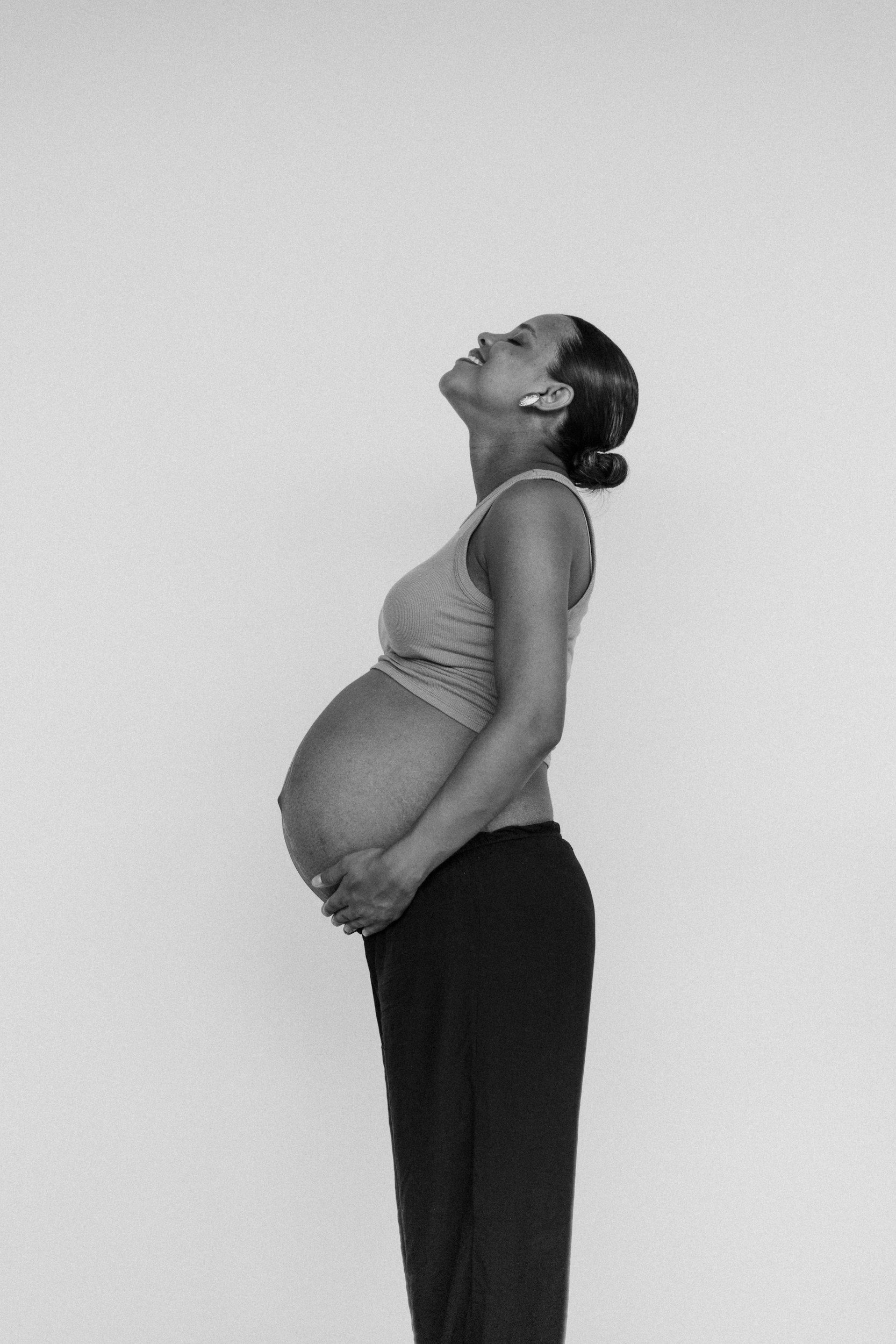
What to Expect
As your body prepares for labor, you may begin to notice subtle changes in the days or weeks leading up to birth. These signs are your body’s way of getting ready, not necessarily a signal that labor has begun.
You might experience things like backache, cramping, increased Braxton-Hicks contractions, digestive changes, or a sudden burst of energy. Not everyone will experience all of these, and they don’t follow a predictable pattern.
The most important thing to remember during this stage is patience.
Pre-labor can be a time of anticipation, but trying to track or speed things along can quickly become exhausting, both physically and mentally. Instead, this is a time to stay grounded, rest, and continue your normal routine as much as possible.

Is This Labor?
One of the most common questions at the end of pregnancy is: “Is this labor?”
The key difference between pre-labor and true labor is not just the presence of contractions, it’s whether those contractions are changing the cervix.
Many people experience contractions in the days or even weeks leading up to labor. These can feel strong, regular, or unpredictable. But true labor contractions are different. The become longer, stronger, and closer together over time, and they continue regardless of what you’re doing.
If contractions slow down, space out, or stop when you rest, eat, or change activity, it’s likely still pre-labor.
If they continue to build and intensify no matter what you do, your body is likely moving into labor.

Support in Pre-Labor
One of the most important things you can do during pre-labor is conserve your energy.
It can be tempting to start timing contractions, alert family, or begin labor techniques early, but doing so too soon can leave you feeling exhausted before labor truly begins.
Instead, focus on staying well-rested, hydrated, and nourished. Keep your routine as normal as possible, and allow your body to do its work without pressure.
Your partner can play an important role during this time by helping create a calm, supportive environment, offering encouragement, practical support, and space for you to process what you’re feeling.